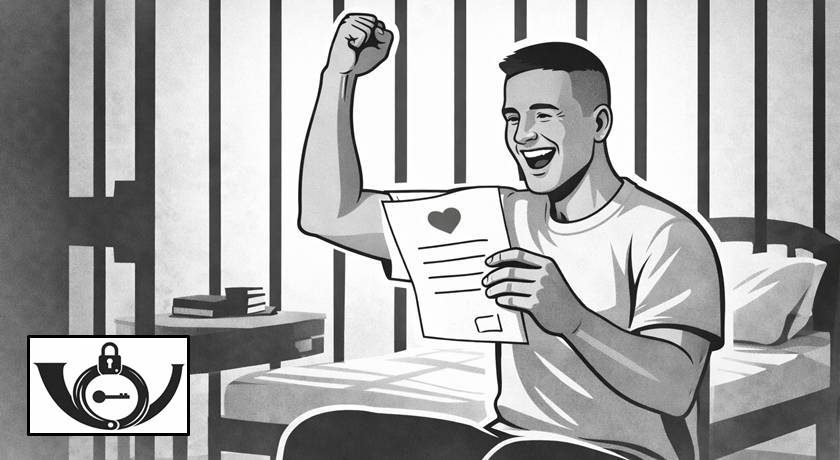
Sending a letter to someone incarcerated in the Philippines is one of the most direct ways to maintain real contact across distance and confinement. The key to doing it well is simple: use the recipient’s correct identity details, match the exact facility, and follow the facility’s official mailing format so your letter routes cleanly.
We at inlettia help people send letters to prisoners worldwide, including to people held in custody across the Philippines.
Custody and facility types in the Philippines
People in the Philippines can be held in different custodial settings depending on where their case is in the process and which authority is responsible. In broad terms, you may be writing to someone in a city/municipal jail, a provincial jail, or a national prison facility. Some people are awaiting trial or resolution of their case, while others are serving a sentence. In English, you’ll see labels like persons deprived of liberty, people in custody, detainees, inmates, and prisoners—the term varies, but the practical requirement is the same: identify the right person and the right institution.
What you need to send a letter
For the Philippines, the essentials are the recipient’s full name as recorded by the facility, the facility’s official name, and the complete mailing address. If you have any institutional identifier used by the facility (such as a booking, registry, or inmate number), include it clearly—these identifiers are especially useful in larger facilities where multiple people may share similar names. If you know the housing area (dorm, cell block, module), include it only if it’s official and stable.
How addressing should look
A clean address is built around four anchors: the recipient’s full name, any facility ID number (if available), the exact facility name, and the full facility mailing address (including city/province and postal code when used). If the facility uses a P.O. Box or a centralized mailroom address, use that exactly as provided. Small inconsistencies—like a shortened facility name or missing locality—can create avoidable routing delays, so accuracy beats brevity.
Language considerations
English is widely used in many official and practical contexts in the Philippines, and letters addressed in English are generally workable as long as the facility name and address are correct. If you have an address line or facility name as written locally, keep it verbatim rather than “cleaning it up” into your own wording. Consistency is more important than style.
What to write (content that works)
The best letters are concrete and normal. Start with a short opener that makes it clear who you are, then move into everyday life: family updates, work or school news, books, music, sports, goals, and small moments that make the outside world feel real. Ask one or two simple questions that are easy to answer. If you’re writing for the first time, a calm, respectful tone and clear intent (“I wanted to reach out and stay in touch”) goes a long way.
Keeping correspondence sustainable
If you plan to write more than once, build a rhythm. Short, regular letters are usually more valuable than long messages sent rarely. Keep your handwriting (or printed text) easy to read, date your letters, and keep the structure consistent so the recipient can follow along even if mail arrives out of order.
How inlettia helps
inlettia helps you send letters to prisoners worldwide by making the logistics straightforward. You provide the recipient details you have, and we help format and route your letter correctly for the Philippines so you can focus on what matters: writing something real.
Ready to send a letter to the Philippines?
Once you have the recipient’s registered name and the correct facility address, you’re ready to write. Keep it clear, respectful, and human—because for someone inside, a letter isn’t just information. It’s connection