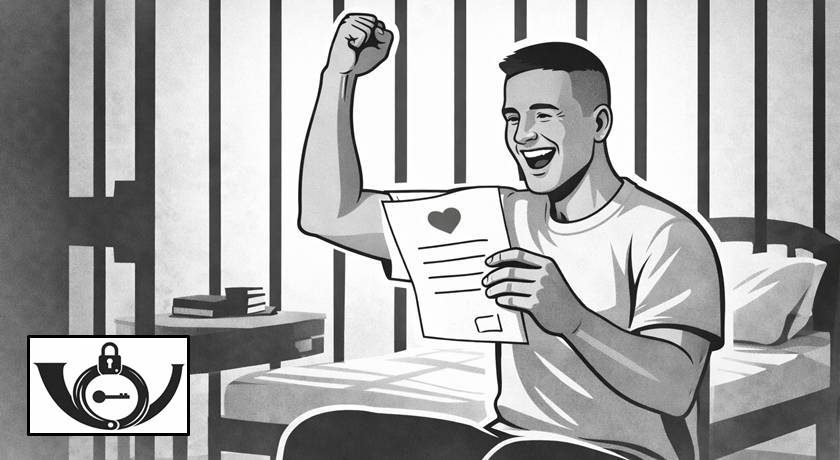
Writing a letter can be one of the simplest, most meaningful ways to support someone who is incarcerated in Malaysia. For many people inside, physical mail is more than “just words on paper”—it’s proof that someone on the outside still sees them as a person. Whether the person you’re writing to is serving a sentence, awaiting trial, or being held in a secure facility, a letter can provide connection, comfort, and a steady sense of hope.
Through our service, you can send letters to people held across Malaysia in different types of custodial settings. Depending on context, different English terms may be used—such as prisoners, inmates, detainees, people in custody, people in detention, or incarcerated people. The wording varies, but the reality is the same: someone is being held by the authorities in a closed institution, and your letter can be a direct, human link to the outside world.
Who can you write to in Malaysia?
In Malaysia, the term used often depends on the person’s legal status and where they are being held. Some people are in custody while awaiting court proceedings (often described as being “on remand” or in “pretrial detention”), while others are already serving a custodial sentence. You may also see more formal phrasing in official or policy contexts, such as “persons in custody” or “people deprived of liberty.” Regardless of the terminology, you can write to people held in prisons and other secure detention settings across Malaysia.
Why letters matter
Letters restore a piece of normal life. A message from the outside can break up the monotony of confinement, reduce isolation, and remind someone that relationships and identity still exist beyond the institution. Even short notes—family updates, everyday events, books, music, sport, memories, or simple encouragement—can carry real emotional weight. Many people re-read letters during difficult periods, which makes written mail a uniquely durable kind of support.
Important note about rules and delivery in Malaysia
Mail policies can vary between facilities in Malaysia. Some institutions are more flexible, while others apply stricter screening and limitations based on security level, administrative procedures, and the recipient’s legal status. To improve the chance of delivery, use the recipient’s official details exactly as recorded by the facility, follow the required addressing format, and comply with any restrictions on paper type, photos, drawings, and enclosures.
Common reasons letters are rejected or delayed
Even supportive letters can fail to arrive for practical reasons. Common problems include the recipient’s name not matching official records, missing identifiers (such as a prisoner or registration number when required), or leaving out a return address. Letters can also be delayed or refused if they contain prohibited items or materials—such as cash, objects, extra inserts, heavy decorations, stickers, glitter, tape, or anything that could be treated as contraband. Finally, content that triggers security review (for example threats, instructions to break rules, or messages that look intentionally coded) may be blocked.
How to address a letter to someone incarcerated in Malaysia
A clear, complete address matters. Many facilities expect the recipient’s full legal name, and may require an ID or registration number if one exists. Include the facility name and the official mailing address exactly as provided, and add any housing details (unit/block/section) only if the institution uses them. Always include your own return address so the letter can be processed properly and returned if necessary.
What you can write about (and what to avoid)
Most people appreciate ordinary, human content: how you’re doing, small life updates, encouragement, shared memories, books or music you’ve been enjoying, or goals for the future. Keep your tone respectful and supportive. It’s usually best to avoid anything that could be interpreted as facilitating rule-breaking, making threats, harassing others, or sharing sensitive operational details about security or staff. Also assume that mail may be opened and inspected under facility rules (with different handling sometimes applied to legal correspondence).
Ready to send a letter?
Start with accurate recipient details, keep your letter straightforward, and focus on genuine connection. Whether the person is described as a prisoner, an inmate, a detainee, or a person in custody, your message can be a real lifeline—and a reminder that they are not alone.